
10 DIY Deck Ideas on a Budget
By Dave Kile10 DIY Deck Ideas on a Budget: Affordable Outdoor Inspiration
A big budget isn’t a requirement for an enjoyable outdoor space. Over the years, I’ve worked with plenty of homeowners who initially thought creating a great outdoor space would require spending far more than they wanted to. The truth is, a well-planned project, some creativity, and a little DIY effort can stretch even a modest budget much further than most people realize.
Whether you’re building a new deck, upgrading an existing one, or simply looking for affordable ways to improve your backyard, I have some budget-friendly deck ideas to help you create a space you’ll love spending time in.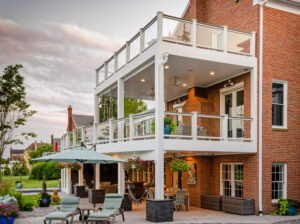
Choose Affordable Materials From the Start
One of the most important ways to control deck costs is by selecting materials for your build that fit both your budget and long-term goals.
Pressure-treated lumber remains one of the most affordable decking options available and is often the starting point for budget-conscious DIYers. Reclaimed wood can provide character and savings if you can source quality materials locally. Some homeowners even use rubber deck tiles or pallets for small projects, though these alternatives may not offer the same durability as traditional decking materials.
As you’re comparing options, remember that the cheapest material upfront isn’t always the least expensive over time. Materials that require frequent repairs, sealing, or replacement can increase lifetime ownership costs.
If you’re planning for a new deck, review the various deck installation costs to help determine where to invest and where to save.
Think Beyond the Traditional Timber Deck
Sometimes the most affordable deck ideas aren’t decks at all.
Ground-level paver patios, gravel seating areas, and simple concrete pads can create attractive outdoor gathering spaces for a fraction of the cost of a raised deck. These alternatives often require less material, less labor, and fewer structural components.
But I do love decks, so I’m a fan of the simple floating deck as a great budget-friendly option. Because floating decks aren’t attached to the home, they’re less complicated and less expensive to build than elevated, attached decks.
If you’re considering this approach, check out my guide on how to build a floating deck.
Depending on local regulations, ground-level and floating deck projects may not require permits, but always verify requirements with your local building department before starting.
Plan Your Layout to Make the Most of the Space
Good design saves money.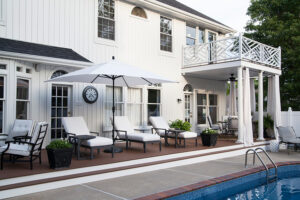
Before buying a single board, sketch out your layout and think about how you want to use the space. Defining separate areas for dining, relaxing, grilling, or gardening can make even a modest deck feel complete and larger than its actual footprint.
Straight-forward rectangular and square layouts are usually the most cost-effective because they minimize waste and reduce complicated framing requirements.
I’ve also found that avoiding unnecessary bump-outs, multiple angles, and other complex design features often leads to a cleaner, more functional design while reducing material and labor costs. A well-planned 200-square-foot deck frequently feels more comfortable than a poorly organized deck twice the size.
Don’t Skip Safety and Permits
Saving money should never come at the expense of safety.
Before building any deck, check local building requirements regarding:
- Deck height
- Footings
- Railings
- Stairs
- Structural attachments
- Permits
Elevated decks and attached structures often require permits and inspections.
Skipping permits can lead to fines, project delays, or even requirements to modify or remove completed work. Taking a little extra time upfront to verify local requirements is well worth it.
Decorate on a Budget Without Sacrificing Style
You don’t need luxury outdoor furnishings and décor to create an inviting space.
Facebook Marketplace, thrift stores, garage sales, and end-of-season clearance events can be excellent sources for affordable outdoor furniture. One trick I often recommend is sticking with a simple color palette. Matching colors and materials make less costly pieces look intentional rather than pieced together.
And adding a few carefully chosen, inexpensive accessories in complementary or contrasting colors can completely change the mood of your deck:
- Outdoor rugs
- Throw pillows
- Weather-resistant cushions
- Decorative planters
- Hanging baskets
- Small side tables
The goal isn’t to fill every corner. A handful of well-selected pieces can make the space feel comfortable, welcoming, and intentionally designed without breaking your budget.
Build or Repurpose Instead of Buying New
Repurposed materials can create surprisingly attractive outdoor features.
Money-saving DIY projects for the deck include:
- Pallet furniture
- Cinder block benches
- Upcycled planter boxes
- Reclaimed wood tables
- Ladder-style plant shelves
A little sanding, paint, or stain can completely transform salvaged materials. The result is a custom look that costs a fraction of buying new.
Many homeowners are surprised by how much personality these projects add to a deck while keeping costs under control. And for DIYers, there’s often a real sense of satisfaction in creating something unique with their own hands.
Add Greenery Without Spending Much
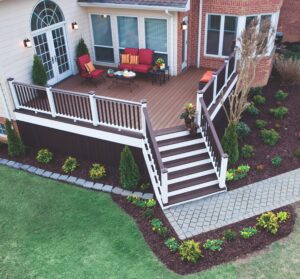
Plants are one of the most affordable ways to make a deck feel lush and complete.
Container gardens, hanging baskets, climbing vines, and vertical garden walls can add color, texture, and privacy without requiring major construction.
Some budget-friendly options include:
- Herbs
- Annual flowers
- Native plants
- Climbing vines on a trellis
- DIY vertical planters
One of my favorite tricks is using plants at multiple heights. Combine pots on the deck surface and on risers with hanging planters and climbing trellis vines to draw the eye up and through the space. For the biggest visual impact for the least money, focus on a few larger planters filled with colorful annuals or low-maintenance native plants rather than lots of small containers.
Even just a few strategically placed plants can soften hard surfaces and edges, making any deck more inviting.
Light Up Your Deck for Almost Nothing
Lighting has one of the biggest impacts per dollar spent. Today, solar-powered lighting options make it easier than ever to add ambiance without hiring an electrician or running wiring. Best of all, solar-powered options mean no operating costs, either.
Affordable choices include:
- Solar string lights
- Solar post cap lights
- LED stake lights
- Lanterns
- Battery-powered candles
String lights draped along railings, safe overhead cables, or pergolas can instantly create a warm atmosphere for evening gatherings while pathway lights, lanterns, and tabletop lighting help improve visibility and create a cozy, welcoming space.
Add Shade and Privacy Without a Big Spend
A deck becomes far more comfortable when you can escape direct sun and enjoy a little privacy.
Fortunately, there are several affordable solutions:
- Patio umbrellas
- DIY shade sails
- Outdoor curtains
- Bamboo roll-up blinds
- Trellises with climbing plants
- Tall planter boxes
Most of these projects can be completed in an afternoon with basic tools.
For additional ideas around creating a more finished appearance around the perimeter of your deck, inexpensive deck skirting ideas can also improve privacy while helping tie the overall design together.
Keep Your Deck Looking Good Without Spending Much
The most affordable deck is often the one you don’t have to replace.
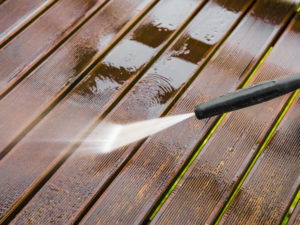
Routine maintenance helps prevent small issues from becoming expensive repairs.
A simple annual checklist includes:
- Sweeping debris from the surface
- Cleaning dirt and mildew
- Checking fasteners and hardware
- Inspecting for rot or moisture damage
- Re-sealing wood decks when needed
But care isn’t just about your decking boards. I’ve seen plenty of deck surfaces that were still in good shape, but the framing underneath was already showing signs of moisture damage. Unfortunately, by the time homeowners discover this kind of issue, extensive repairs or full frame replacement may already be necessary.
Protecting the substructure from day one is much easier and less expensive than dealing with problems later. One of the best ways to do that is by understanding how to create a waterproof deck and manage water before it has a chance to reach vulnerable structural components. I always recommend Trex Protect butyl tape to shield joists, beams, and rim joists from moisture intrusion and extend the life of the deck substructure.
Conclusion
Creating a beautiful outdoor space doesn’t require a lot of money. The best deck ideas on a budget often combine smart planning, affordable materials, DIY creativity, and gradual improvements over time.
In my experience, homeowners get the best results when they focus on function first, then add comfort and style as their budget allows. Whether you’re building a floating deck, upgrading an existing structure, adding lighting, or creating custom furniture from repurposed materials, each improvement brings you one step closer to an outdoor space you’ll enjoy for years to come.
Start with one affordable project this weekend and build from there. Small, budget-friendly improvements have a way of adding up, and before long you’ll have an outdoor space that feels completely transformed without requiring a major investment.
Sources
North American Deck and Railing Association. Check Your Deck® Consumer Checklist.
Better Homes & Gardens. (2025). 18 Deck Privacy Ideas to Create a Secluded Backyard Retreat.
The Spruce. (2025). 21 Small Deck Ideas on a Budget to Upgrade Your Entertaining Space.
Proven Winners. Container Gardening Guide.